
Property Tax Records in Rich County
Rich County property tax records are public documents maintained by the Assessor, Recorder, and Treasurer offices in Randolph, Utah. If you need to search for assessed values, ownership history, parcel data, or tax status on any property in Rich County, those offices hold the records. Rich County has the lowest median property tax of any county in Utah, making it a notable destination for property research. You can access Rich County property tax records in person at the Randolph courthouse or online at richcountyut.org.
Rich County Quick Facts
Rich County Assessor Office
The Rich County Assessor determines the market value of all taxable real property in the county. Under Utah Code Title 59 Chapter 2, every taxable parcel must be assessed at 100% of fair market value as of January 1 each year. The value on a Rich County tax notice reflects what the property was worth at the start of that calendar year, based on market conditions at that time.
Fair market value is defined in Sec. 59-2-103 of the Utah Code as the price a willing buyer would pay a willing seller when neither is under any pressure and both have full knowledge of the relevant facts. The Rich County Assessor uses comparable sales data, property characteristics, and cost data to reach each valuation. Records on file include lot size, building square footage, construction type, and year built. Utah law requires county assessors to physically inspect every parcel at least once every five years to keep assessments current. If you think the data on your Rich County parcel looks wrong, contact the Assessor at richcountyut.org/assessor to request a review.
The office is located at the Rich County Courthouse in Randolph, Utah.
| Office | Rich County Assessor |
|---|---|
| Location | Rich County Courthouse, Randolph, Utah |
| Website | richcountyut.org/assessor |
| Recorder | richcountyut.org/recorder |
| Treasurer | richcountyut.org/treasurer |
Rich County Property Tax Records and What They Include
Rich County property tax records cover the assessment roll, title documents, and tax payment history. The assessment roll is the core. It lists every taxable parcel in the county, the current owner of record, the legal description, and the assessed value as of January 1. These records are open to the public. Anyone can look up a Rich County parcel and review current ownership and tax value data.
The Rich County Recorder maintains all title documents affecting real property in the county. Deeds, mortgages, liens, and easements are filed there and become part of the permanent public record. When a Rich County property changes hands or a lender records a mortgage, those documents go to the Recorder. The Assessor then uses that data to update the tax roll with the new owner. If you are researching a Rich County parcel for ownership history, liens, or chain of title, the Recorder is the office to contact at richcountyut.org/recorder.
The Treasurer handles all tax billing and collection for Rich County. Contact the Treasurer at richcountyut.org/treasurer to check the payment status or delinquency status of a specific parcel.
Note: Intangible property including stocks, bonds, bank accounts, and similar financial assets is exempt from property tax in Utah under Sec. 59-2-110(2)(g) of the Utah Code. Only physical real and personal property is subject to taxation.
Lowest Property Taxes in Utah
Rich County holds the distinction of having the lowest median property tax of any county in Utah. The median annual tax is $422, based on a median home value of $120,300 and an effective rate of 0.35%. Both of those figures are well below the statewide medians of $1,351 and 0.60% respectively. Rich County sits at the very bottom of the state for property tax burden, making it the most affordable county in Utah for property owners on a tax basis.
Several factors contribute to this. Home values in Rich County are lower than in most of Utah. The county is sparsely populated with a small number of taxing districts and relatively modest government service budgets. Utah's 45% primary residence exemption also applies here. If your Rich County home is your primary residence, only 55% of its value is subject to tax. On a $120,300 median home value, that exemption brings the taxable base down significantly. The result is among the smallest annual property tax bills in the state.
The statewide comparison of property tax rates across Utah shows Rich County at the low end for both median tax amount and effective rate.
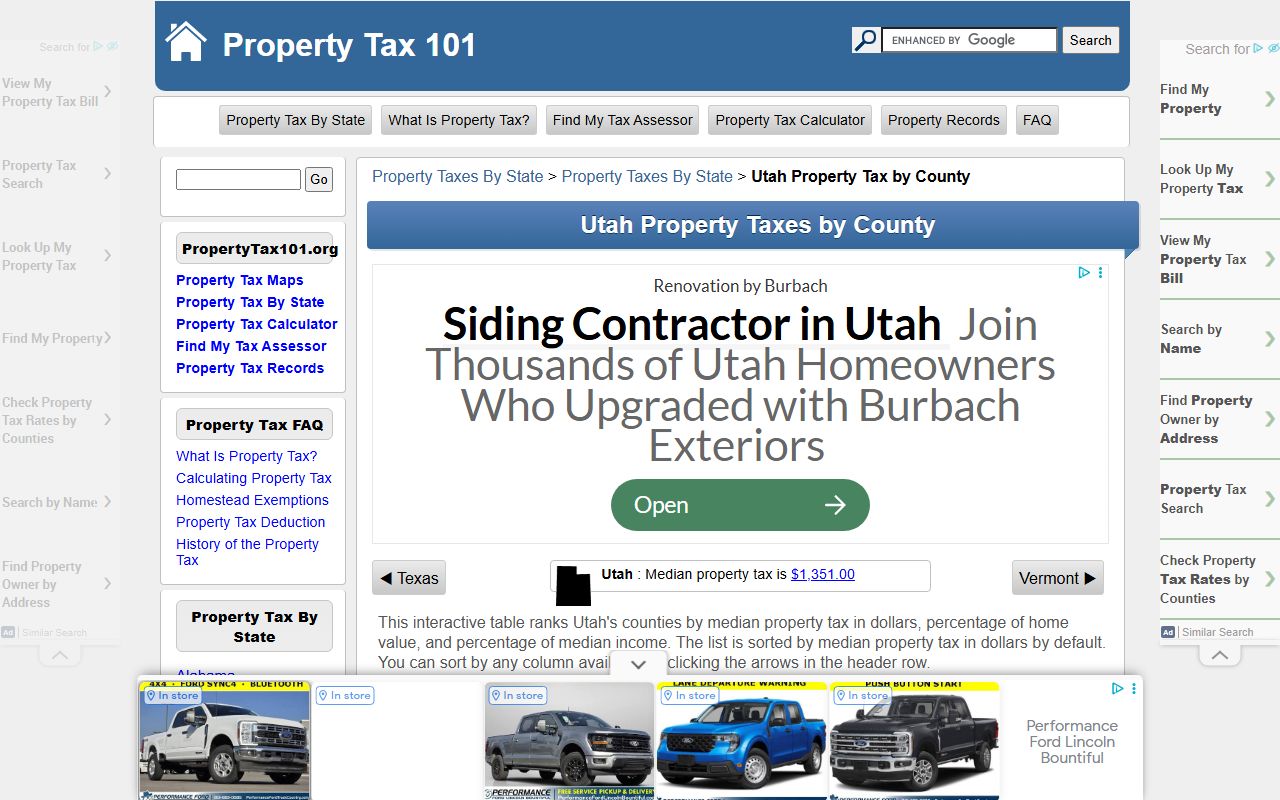
Rich County's $422 median annual tax is the lowest in the state, sitting far below the Utah median of $1,351 and reflecting both low home values and a low effective rate.
Utah State Tax Commission and Rich County
The Utah State Tax Commission oversees all county assessors in Utah, including the Rich County Assessor. The Commission publishes annual valuation guides and ensures assessors use consistent methods across the state. For a small, rural county like Rich County, state-level oversight and guidance helps maintain assessment consistency even with limited local staff.
Some properties in or around Rich County are assessed at the state level rather than the county level. These are centrally assessed properties, such as utilities and transportation companies that operate across county lines. The centrally assessed property program run by the Property Tax Division handles those valuations. Tax revenue from centrally assessed properties flows back to the counties where the property is physically located, including Rich County.
The Property Tax Division of the State Tax Commission is also the resource for property owners who want information about exemptions, rights, or the appeal process beyond the county Board of Equalization.
The Utah State Tax Commission website provides statewide property tax oversight resources that apply to every Rich County property owner.
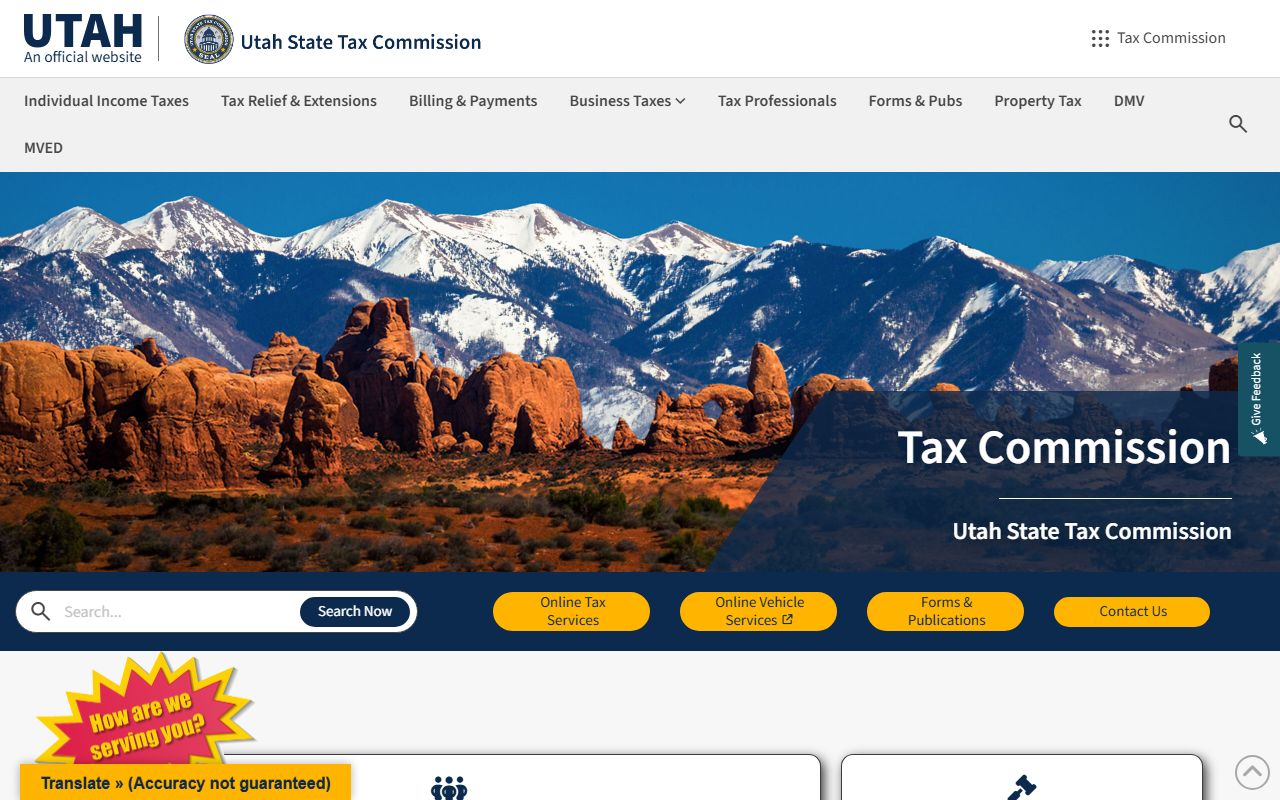
The State Tax Commission portal is where Rich County property owners can find state-level resources including valuation guides, appeal rights, and exemption information.
GIS and Parcel Maps in Rich County
Rich County GIS data provides parcel boundaries and property information in a map view. The GIS service at richcountyut.org/gis connects to assessment data so you can search by address or parcel number and view property details visually. GIS mapping is useful when you want to see a Rich County parcel's physical location and boundaries relative to roads, neighboring parcels, and district lines.
The Utah GIS Portal provides statewide parcel data that covers Rich County alongside all other Utah counties. The portal is maintained by the Utah Automated Geographic Reference Center and includes interactive mapping tools and open data downloads. Rich County's parcel data is included in the statewide dataset, making the state GIS portal a good option for anyone researching Rich County properties in a broader geographic context or needing bulk data.
Note: GIS parcel data is updated regularly but may not reflect very recent boundary changes. Always contact the Rich County Recorder for an official legal description of any parcel.
Appealing Your Rich County Assessment
Even in a low-tax county like Rich County, you have the right to appeal if you believe your assessment is too high. The appeal process starts with the Rich County Board of Equalization. You file a written request for review within the timeframe shown on your assessment notice, typically within 45 days of the mailing date. The Board schedules a hearing where you can present evidence that your property's value should be lower.
Good evidence includes recent comparable sales in Rich County or the surrounding area showing lower prices for similar properties. An independent appraisal is also effective. If the Assessor's records show incorrect data for your parcel, documenting and correcting those errors is often the fastest path to a lower value. The legal standard is fair market value under Sec. 59-2-103: the price a buyer and seller would freely agree on. If the Assessor's number does not match that standard, you have grounds to appeal. If the Board does not rule in your favor, you can take the case to the State Tax Commission Property Tax Division.
Delinquent Taxes and Tax Sales in Rich County
When Rich County property taxes go unpaid, penalties and interest begin to add up. The Rich County Treasurer tracks all delinquent accounts, and that information is public. If you are researching a parcel in Rich County, checking the tax payment status is part of due diligence. Contact the Treasurer at richcountyut.org/treasurer to get the current status on any Rich County parcel.
Properties with long-term unpaid taxes can eventually face tax sale procedures under Utah Code Title 59 Chapter 2. The law requires notice to property owners and gives them the right to redeem the property by paying the delinquent amount before a sale occurs. If you find delinquent taxes in the records for a Rich County property, reach out to the Treasurer directly to get the current payoff amount and understand the steps available to resolve it.
Cities in Rich County
Rich County includes Randolph and several other small communities. No cities in Rich County meet the population threshold for individual city pages on this site. All property tax records for Rich County parcels are handled through the county offices in Randolph, Utah.
Nearby Counties
Rich County borders Cache, Weber, and Box Elder counties. If you need property tax records from a neighboring county, the links below take you to those county pages.