
Garfield County Property Tax Records
Garfield County property tax records are available through the county Assessor, Recorder, and Treasurer offices in Panguitch, Utah. These offices manage the full cycle of property taxation in Garfield County, from initial valuation to final collection. You can search property tax records by parcel number, owner name, or address to find assessed values, tax bills, and deed history for any taxable parcel in Garfield County.
Garfield County Quick Facts
Garfield County Assessor and Property Valuation
The Garfield County Assessor determines the taxable value of all real property in the county. Properties are valued at fair market value as of January 1 each year. The Assessor maintains records on residential, commercial, and agricultural parcels throughout Garfield County. These records are the foundation for every tax bill the county sends out.
Utah's property tax statutes, found at Title 59, Chapter 2 of the Utah Code, set the rules for how assessments work statewide. Section 59-2-103 requires that all property be assessed at fair market value. Section 59-2-102 defines what counts as real property, which includes land, improvements like buildings and fences, and any minerals or rights that run with the land. These definitions apply to every parcel in Garfield County.
Garfield County has an effective rate of 0.50%, which is one of the lower rates in Utah. The median annual tax of $646 reflects both the relatively modest home values in the county and that low rate. Owner-occupants who qualify for the 45% primary residence exemption pay taxes on only 55% of their home's assessed value, which reduces their bills further. Apply for this exemption through the Garfield County Assessor's office if you have not already done so.
Utah law requires county assessors to conduct physical inspections of every property in their jurisdiction at least once every five years. This keeps Garfield County's assessment rolls current and ensures that values reflect what is actually on the ground. If a property has changed in a way the Assessor has not captured, the next inspection cycle should catch it. You can also contact the Assessor directly to flag any discrepancies in your property's description or value.
Property Tax Records at the Garfield County Recorder
The Garfield County Recorder maintains all real property documents for the county. Deeds, mortgages, liens, easements, and other instruments that affect real property are recorded here and made available to the public. The Recorder indexes documents by party name and parcel, so you can search by owner or by property.
When you search Garfield County property tax records, the Recorder's files tell you who owns a parcel and what encumbrances are on it. A deed in the Recorder's office shows the complete chain of title, going back through every sale and transfer. Trust deeds and release documents show the mortgage history. Anyone buying or selling land in Garfield County, or just doing research on a piece of property, should check the Recorder's records as part of due diligence.
Note: The Garfield County Recorder in Panguitch keeps all real property instruments on file and available for public inspection.
Garfield County Treasurer and Tax Collection
The Garfield County Treasurer collects property taxes and distributes the proceeds to the school districts, special districts, and government entities that rely on those funds. Property owners in Garfield County receive tax notices annually. The payment deadline is November 30. Taxes paid after that date are subject to interest and penalties.
Checking tax status before you purchase property in Garfield County is essential. Unpaid taxes become a lien that attaches to the property, not to the previous owner. If you buy land with a tax lien on it, that debt becomes yours. The Treasurer can confirm whether taxes are current on any parcel and give you a payoff figure if there are back taxes owed. This step can save you from a costly surprise after closing.
The Treasurer also handles delinquent tax sales when properties go unpaid long enough to trigger that process under Utah law. Properties in Garfield County that have accumulated significant delinquencies may eventually appear in a tax sale. If you are interested in acquiring tax-delinquent properties, the Treasurer is the right office to contact for information on that process.
GIS and Parcel Data for Garfield County
Garfield County maintains GIS parcel data showing property boundaries and ownership information throughout the county. The Garfield County GIS portal lets you find parcels on a map and view basic property data. In a large, rural county like Garfield, where properties can span hundreds of acres, a map-based search tool is often the fastest way to identify a parcel before pulling up detailed records.
The Utah GIS portal also provides statewide parcel data that covers Garfield County. You can use this resource to search by address or parcel number and view boundary lines on a map. Both tools point you toward the parcel number, which you then use to search the Assessor's records for value and tax information. Using both county and state GIS tools together gives you the most complete picture of any parcel in Garfield County.
Utah Property Tax Law and Garfield County
The Utah State Tax Commission provides oversight for all county assessors in Utah, including Garfield County. The Commission ensures that assessors apply consistent valuation methods across the state and that property owners are treated equally. The Commission's Property Tax Division handles centrally assessed properties like utilities, transportation companies, and mining operations that cross county lines. Those valuations feed into the Garfield County tax base even though the work happens at the state level.
For natural resource properties, the State Tax Commission uses a discounted cash flow method to determine value. For other types of centrally assessed property, the Commission may use a cost approach or an income approach depending on the type of operation. Self-reporting affidavits from these property owners are due by March 1, and assessment notices go out by May 1. Affected owners can appeal by August 1 each year. Learn more through the Utah centrally assessed property portal.
The image below shows Utah property tax rates by county. Garfield County's 0.50% rate is among the lowest in the state, making it an affordable place to own property from a tax perspective.
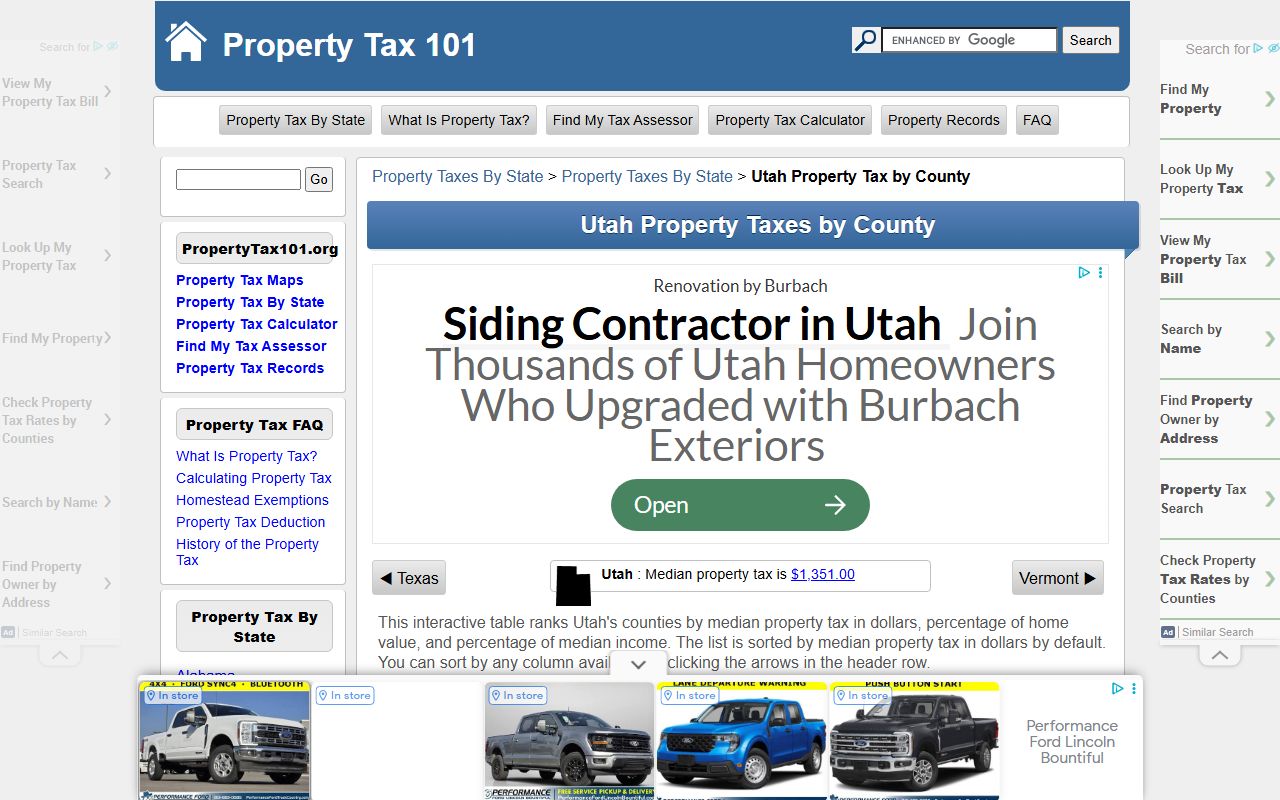
This rate comparison helps put Garfield County's property taxes in context alongside other Utah counties.
How to Appeal a Property Tax Assessment in Garfield County
If you believe your Garfield County property is over-assessed, you can challenge the value through a formal appeal. The first step is filing with the Garfield County Board of Equalization within 45 days of your assessment notice. The Board will schedule a hearing where you present your evidence. Bring sales data for comparable properties, photos showing the condition of your property, or an independent appraisal if you have one.
The Board makes a decision based on the evidence. If you disagree with the outcome, you can appeal further to the Utah State Tax Commission Property Tax Division. That second-level appeal involves a more formal process and may require additional documentation. Most property owners in Garfield County who appeal at the county level get a resolution there without needing to go further. The key is to file on time and come prepared with solid market evidence.
The image below is from the Utah State Tax Commission website, which handles second-level appeals and sets assessment policy statewide.
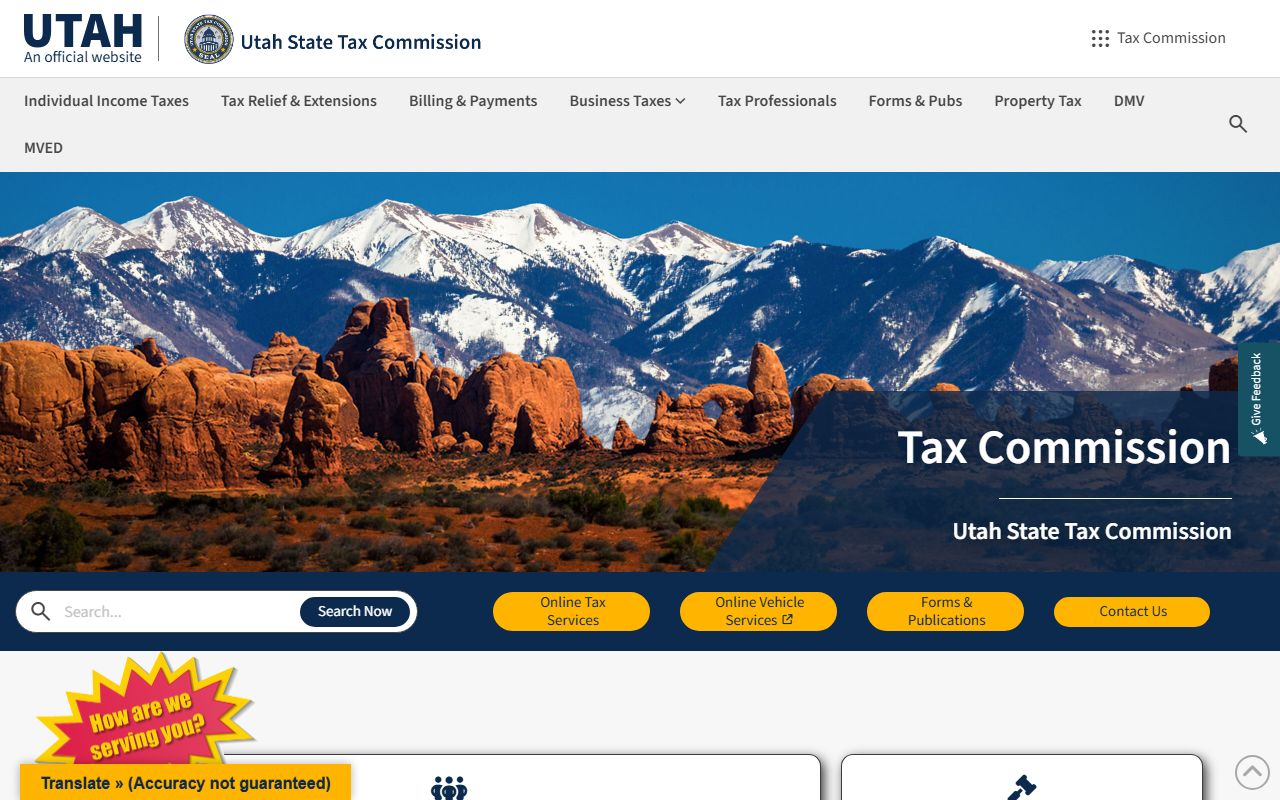
The Tax Commission site has information on appeals, exemptions, and assessment procedures that apply to Garfield County property owners.
Cities in Garfield County
Garfield County has no cities that meet the population threshold for dedicated city pages on this site. The county seat is Panguitch, where the main county offices are located.
Nearby Counties
Garfield County borders several Utah counties. Each has its own property tax records and offices.